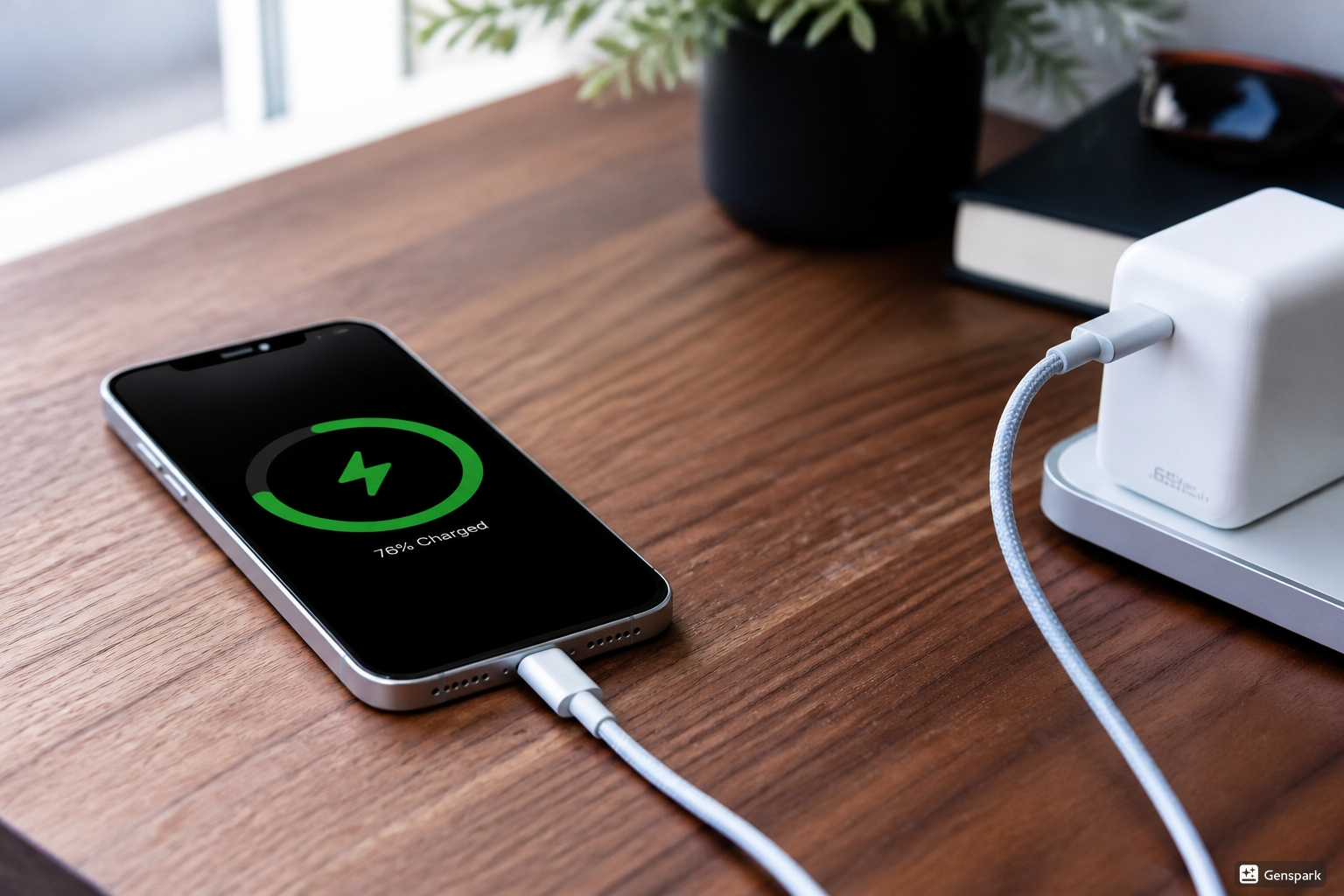
Grab the wrong phone charger and your phone can sit on the cable for two hours. Grab the right one and you’re topped up before your coffee cools. Same outlet, same phone. The only difference is that little white brick — and most of us have never given one a second thought.
I have. I’ve bought the $3 gas-station chargers, and I’ve also watched a perfectly good phone slow down because its battery quietly gave up. So let me save you the trial and error.
First, why does the charger even matter?
Type “charger phone charger” into Google and you’ll get thousands of near-identical results. It’s overwhelming, and honestly, that’s by design — the accessory market thrives on confusion.
Here’s the short version. The phone chargers bundled with 2026’s budget smartphones range from a modest 27W to a blistering 100W. The Realme GT Neo 6 SE fills up in about 18 minutes. The Google Pixel 8a? Closer to 110. Same year, same price bracket. The gap is mostly the charger, not the phone.
There’s a safety angle too. Certified chargers carry little chips that protect against overheating and power spikes. The knockoffs skip those chips. That’s where dead batteries and, occasionally, melted cables come from.
Wattage: the only spec that really matters
Wattage is how much power a charger can push. Simple as that.
- 5W–10W — the old school cube. Fine overnight. Painful otherwise.
- 18W–33W — solid fast charging for most mid-range phones.
- 45W–67W — the sweet spot. Plenty of phones in this range hit full charge in under 40 minutes.
- 80W–100W+ — flagship territory, if your phone can use it.
One catch people miss: your phone only pulls what it can handle. A 100W charger on a 30W phone won’t break anything — you’ll just never see those speeds. Match the wattage to your phone’s rating and don’t pay extra for headroom you can’t use.
USB-C PD, or why one charger now works for everything
USB-C Power Delivery is the standard now. Charger and phone talk to each other and agree on the right power level, automatically. That’s why a good PD charger works with Samsung, Google, Xiaomi, Motorola — even iPhones.
Some brands stack their own protocols on top. SuperVOOC on Oppo and OnePlus phones, for instance, is absurdly fast but usually demands the brand’s own brick and cable. If that’s your phone, buy the official kit. Everyone else: a certified USB-C PD charger is the safest bet, full stop. If you want to nerd out, the official USB specification and certification program lives at usb.org — that’s the body that actually tests whether a charger is compliant.
Don’t cheap out on the phone charger cord
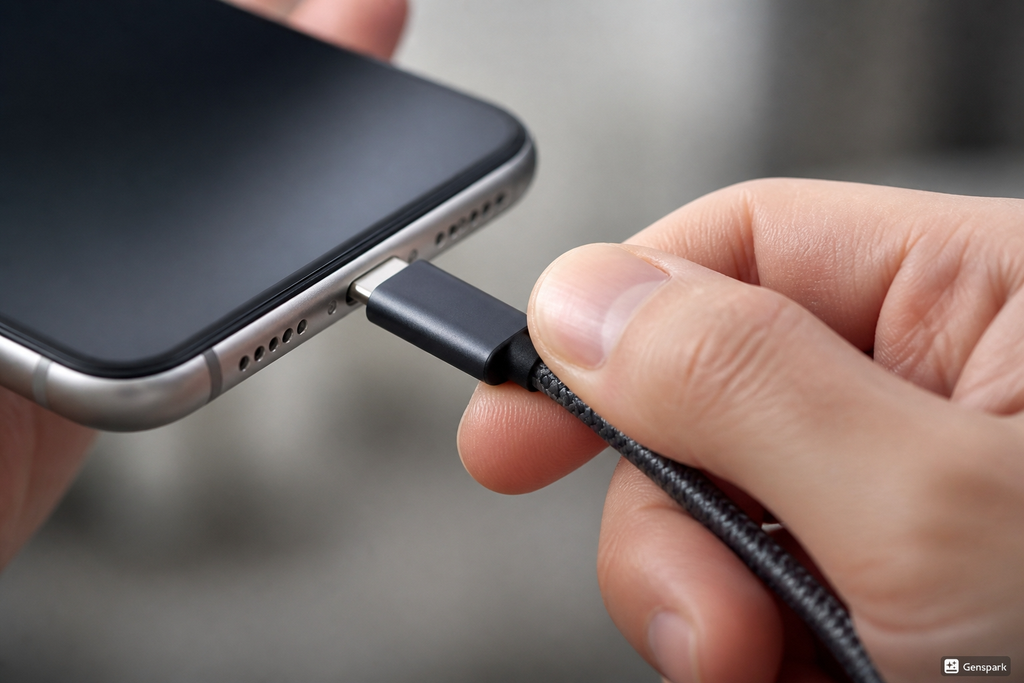
We’ve all done it. Researched the brick for twenty minutes, then grabbed whatever cable was nearest. Bad move — the phone charger cord is half the equation, and a bad one strangles your speeds silently.
Three things to check before buying any cable:
- Current rating. 60W charging usually needs a 3A cable. 100W typically wants 5A. An under-rated cord gets warm and bottlenecks everything.
- Data pins. PD negotiation relies on properly wired data lines. Sketchy cables can misreport power. Rarely, they damage ports.
- Build and length. One meter suits a desk. Longer is fine for the couch, but stick with braided, certified ones — cheap long cables fray fast.
Habits that actually keep your battery alive
A good charger helps, but how you charge matters just as much. Battery researchers have hammered on this for years: lithium-ion cells hate heat and deep discharges. Battery University’s charging guidance puts it plainly — partial charging beats full cycles, and draining a phone to zero wears the battery down. Worth a read if you like the details: battery charging best practices.
My own rules, after years of testing phones:
- Stay between 20% and 80% when life allows.
- No fast charging overnight. Slow and boring wins there.
- Case off while fast charging. Heat is the enemy.
- Avoid heavy gaming while plugged in — screen heat plus charge heat is a rough combo.
Quick checklist before you hit buy
Wattage matches your phone’s max input. Certified USB-C PD (or your brand’s protocol) is supported. The cable’s amp rating fits the wattage. The brand actually lists safety certifications — not just big claims on the box. That’s it. Five boxes, two minutes.
For more tested picks, the homepage at Etagicon publishes fresh reviews on smartphones, wearables, and smart home gear.
The bottom line
The best charger isn’t the priciest one. It’s the one that matches your phone’s wattage, speaks a certified protocol, and pairs with a decent cable. Get those two things right and your battery will thank you for years. Choose once, charge smarter, stop thinking about it.