What Exactly Is an FPV Camera
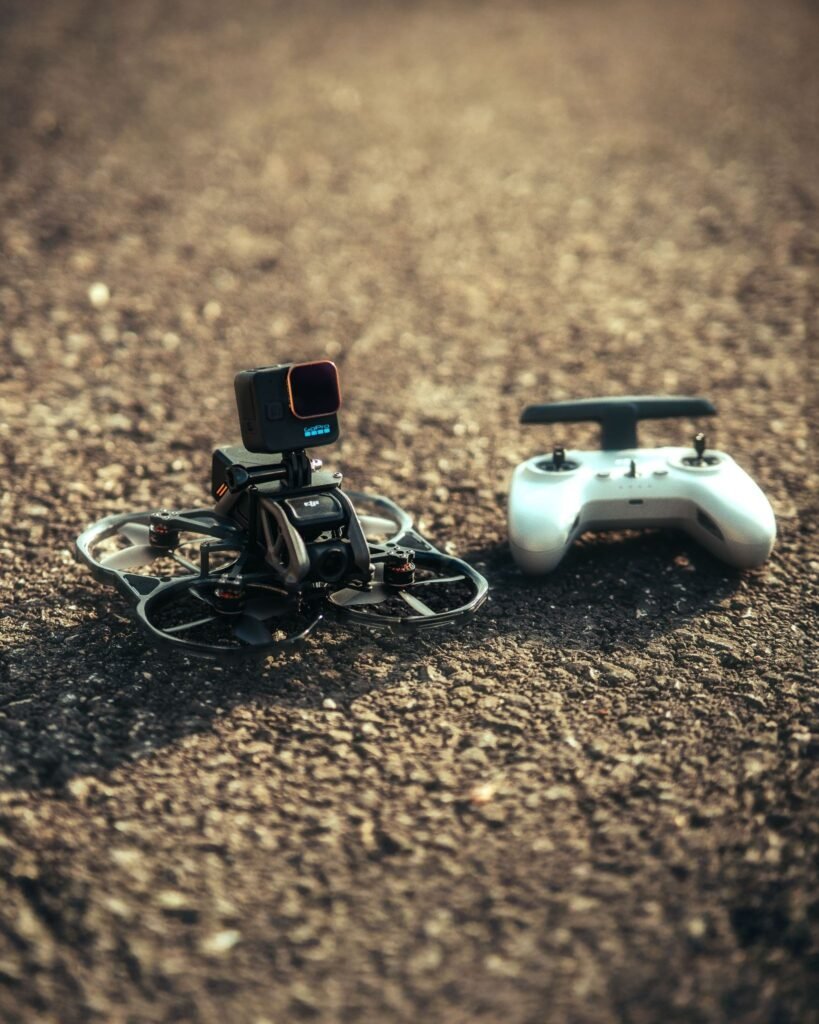
If you have ever watched a drone dive off a cliff and wondered how the pilot saw that split-second gap, you were looking through the eyes of an fpv camera. Unlike the stabilized gimbal cameras on a photography drone that shoot for the edit later, an FPV camera is a low-latency, real-time sensor that streams video directly to your goggles. It is the difference between watching a movie and sitting in the cockpit.
The core job of any good fpv camera is not necessarily to produce a cinematic masterpiece for your hard drive though modern digital systems but to provide a reliable, lag-free image so you do not crash. According to technical documentation from Ardupilot, a standard FPV setup requires a mini camera, a video transmitter, and a receiver with goggles or a monitor. The camera’s sensor size, lens field of view (FOV), and latency are the three pillars that determine whether your flight feels telepathic or delayed.
By 2026 there are primarily two schools of thought when it comes to drone racing camera tech. Analog cameras are very popular as they’re the traditional choice and offer little to no lag (often less than 5ms). However, digital equipment has exploded in popularity because it provides a much clearer picture. Instead of having a grainy image from the 90s, people can see a 1080p feed on their FPV camera. As noted by UAVMODEL “A bad camera = a bad flying experience” no matter how tuned your drone is.
In 2026, the market is split into two dominant philosophies. Traditional analog cameras remain the gold standard for zero-latency drone racing camera applications, often delivering under 5ms of glass-to-glass delay. However, digital equipment has exploded in popularity because it provides a much clearer picture. Instead of having a grainy image from the 90s, people can see a 1080p feed on their digital FPV camera. As noted by UAVMODEL “A bad camera = a bad flying experience” no matter how tuned your drone is.
The Real-World Usage: From Cinema Sets to Racing Gates
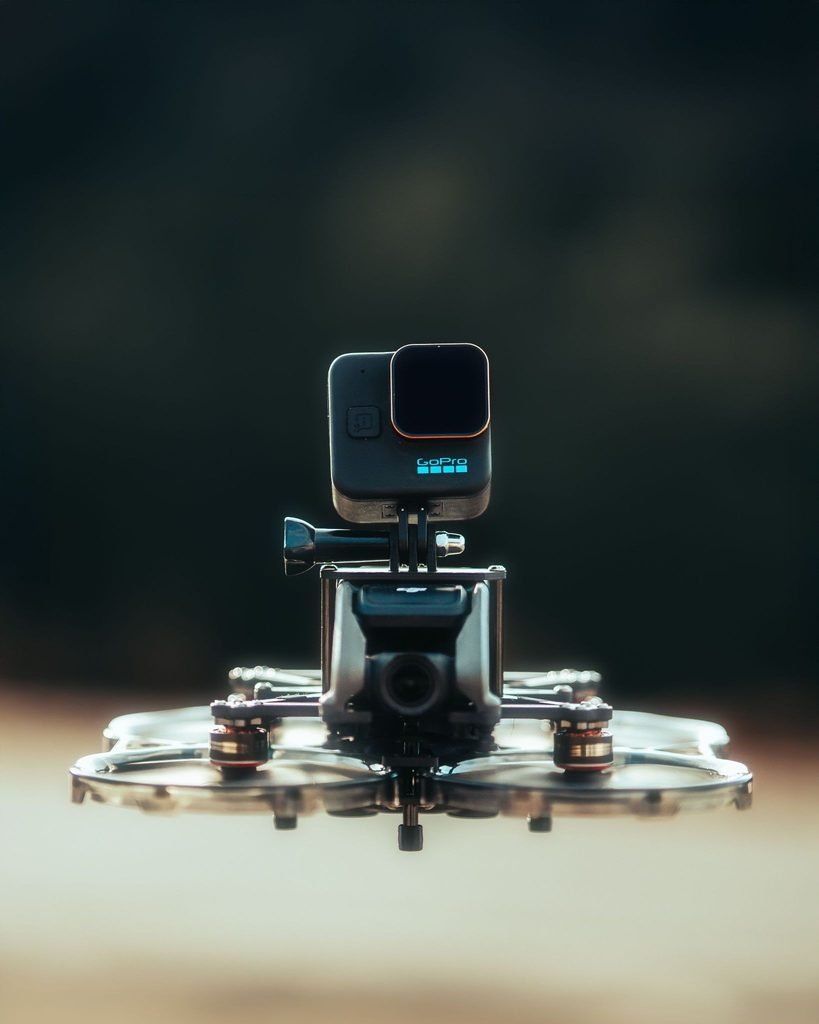
The usage of an fpv camera extends far beyond the local park. In professional settings, the cinema drone category relies heavily on FPV technology to capture those sweeping, one-take shots through restaurants, warehouses, or forests that traditional gimbal drones simply cannot navigate.For example, a Cinewhoop will have ducted propellers and a great FPV camera to fly very close to actors or props and give the pilot a clear FPV feed.
On the competitive side, the fpv racing drone camera is a specialized tool. Here, pilots prioritize latency over resolution. A 720p image that updates instantly is far superior to a 4K image that lags by 30 milliseconds. As documented in technical breakdowns, analog systems often win in racing because they degrade gracefully (turning to static rather than freezing) when the signal gets weak .
For the traveler, the line between the best drone for travel videos and an FPV drone is starting to blur. Pilots are using compact FPV setups to capture immersive travel vlogs that feel more personal than a standard aerial hover. Whether you are shooting a cinema drone sequence or just want to buzz through a forest, the camera is your primary sensory input .
How to Wire and Use an FPV Camera Kit and Transmitter
Understanding the hardware is easier than it looks. An fpv camera kit essentially consists of three main components that must talk to each other: the camera, the video transmitter (VTX), and the power source (usually the drone’s flight battery).
Step 1: The Camera and VTX Connection. Most modern fpv camera and transmitter pairs are either integrated into a single unit (like the DJI O4 Air Unit) or connected via a simple plug-and-play cable. In a traditional build, the camera sends a video signal to the VTX. You must ensure the camera’s voltage input matches the VTX or the flight controller’s output—usually 5V or 9V. If you are using a standalone analog camera, you will need to solder the video signal wire to the VTX’s input pad .
Step 2: Mounting and Angle. The camera is typically mounted at a fixed angle (often between 20 and 30 degrees) for freestyle flying. This tilt compensates for the drone’s forward pitch during flight, keeping the horizon level in your goggles. For cinematic flying, a lower angle is preferable; for racing, pilots use higher angles to see further ahead .
Step 3: The Goggles and OSD. Once powered, the VTX broadcasts to your goggles. A critical feature to enable is the On-Screen Display (OSD). This overlays battery voltage, flight time, and signal strength onto your view. As noted in the Ardupilot wiki, having OSD data makes for a much more enjoyable and safe flight, as you are not guessing when to land .
The 3 Best Picks for the Best FPV Camera for Drone (Data-Backed)
Selecting the best fpv camera for drone depends on your mission profile. The following three picks are based on verified performance metrics (latency, resolution, and ecosystem flexibility) rather than marketing hype.
● DJI O4 Air Unit (The Digital All-Rounder)
Best For: Cinematic pilots and freestyle creators who want the sharpest live view and onboard 4K recording.
The Data: The O4 Air Unit features a 1/1.3-inch sensor that records 4K/60fps onboard while transmitting a 1080p/100fps live feed. Verified latency figures put it in the 15–24ms range in low-latency modes, which is imperceptible for most freestyle flying . It represents the pinnacle of the digital fpv camera ecosystem, though it locks you into DJI’s goggles.
● Walksnail Avatar GT (The Open Digital Alternative)
Best For: Pilots who want DJI-level image quality but hate being locked into a single brand’s goggles.
The Data: Walksnail’s flagship system offers 1080p/100fps live viewing with roughly 22–30ms latency. The key advantage is its modularity: the Avatar VRX module can plug into older analog goggles, and the system supports third-party cameras via MIPI interfaces . This flexibility makes it a favorite for tinkerers and long-range pilots.
● Foxeer T-Rex (The Analog Racing Standard)
Best For: Competitive drone racing camera pilots and budget-conscious builders who demand sub-5ms latency.
The Data: Using a Sony Starvis 2 sensor with a 1/1.8-inch size, the T-Rex outputs 1200TVL. Independent testing shows it handles shadow-to-sunlight transitions (WDR) exceptionally well due to its large pixels, and analog systems inherently deliver near-zero latency . If you are building a fpv racing drone camera setup for competition, this is the proven workhorse.
Comparison Table: The Best FPV Camera for Drone
| Feature | DJI O4 Air Unit | Walksnail Avatar GT | Foxeer T-Rex |
| Type | Digital HD | Digital HD | Analog |
| Live Feed | 1080p / 100fps | 1080p / 100fps | 1200 TVL |
| Latency | ~15–24ms | ~22–30ms | <5ms |
| Onboard Recording | 4K / 60fps | 4K / 60fps | None (requires separate HD cam) |
| Sensor | 1/1.3-inch | 1/1.8-inch | 1/1.8-inch (Starvis 2) |
| Best Use Case | Cinematic / Freestyle | Long-Range / Open Ecosystem | Racing / Low-Light |
What It Can Be Used For: Beyond Just Racing
The best fpv camera for drone is not a one-trick pony. While the term “FPV” immediately conjures images of racing gates, the technology has matured into a versatile tool for visual storytelling and utility.
Cinematic Filmmaking and Music Videos. The cinema drone category relies on FPV cameras to capture dynamic, one-take fly-throughs that feel visceral. Because the pilot sees exactly what the camera sees, they can thread the needle through a window or follow a subject down a hallway with precision that a traditional two-operator gimbal setup cannot match.
Search and Rescue (SAR) and Inspection. In professional sectors, a good fpv camera allows a remote pilot to inspect bridges, power lines, or roofs at speed. The wide field of view and real-time feedback let the pilot spot structural issues without the latency of a stabilized camera feed. However, safety protocols require a visual observer (spotter) to maintain line of sight, as the limited FOV of the camera can obscure nearby obstacles .
Travel and Adventure Documentation. For travelers, an FPV drone offers a way to capture the feeling of a place. Instead of a slow, sweeping orbit, an FPV pilot can dive down a mountain trail or skim across a lake surface. While a traditional best drone for travel videos might be a folding gimbal drone, many creators now pack a small FPV kit alongside it to add energy and motion to their edits.
Drone Racing and Freestyle. This is the native habitat of the fpv racing drone camera. The instant feedback loop between the pilot’s stick movements and the visual output is what allows pilots to perform acrobatic flips and tight turns at over 100 mph. Whether you are racing formally or just freestyling in a park, the camera is the direct link between human intent and machine motion.
Ultimately, the right fpv camera is the one that matches your flying style. If you crave cinematic beauty and don’t mind a small latency penalty, go digital. If you want the absolute fastest response for racing or tight proximity flying, analog or HDZero systems remain unbeaten. The technology has never been more accessible, and the only limit is how you choose to fly.
Conclusion
Ultimately, the best fpv camera for drone is the one that matches your flying style, whether that’s the DJI O4 Air Unit for cinematic 4K clarity, the Walksnail Avatar GT for an open digital ecosystem, or the Foxeer T-Rex for sub-5ms racing latency. Since an fpv camera is your primary sensory link to the drone, pairing a camera with a compatible fpv camera and transmitter inside a complete fpv camera kit determines how confidently you fly. Start with matched components, explore drones accessories as you grow, and remember that latency, dynamic range, and field of view matter more than spec-sheet hype because the right camera doesn’t just record the flight, it transforms how you experience it.