TLDR
- Discover what smart lighting is and how it transforms traditional home illumination systems
- Learn about the key components and technology behind smart lighting solutions
- Understand the benefits of energy efficiency, convenience, and customization
- Explore practical implementation strategies for your home
- Find out how smart lighting integrates with modern home automation ecosystems
Did you know that the average household can reduce energy consumption by up to 60% simply by switching to smart lighting? In today’s fast-paced world, where technology continues to reshape how we live, smart lighting has emerged as one of the most accessible and impactful home automation innovations. Gone are the days when flipping a switch was your only option for controlling lights. Modern homeowners now demand more they want convenience, energy efficiency, and the ability to create the perfect ambiance at the touch of a button or a simple voice command.
What is smart lighting, exactly? It’s an intelligent illumination system that allows you to control your home’s lighting through wireless technology, smartphone apps, voice assistants, or automated schedules. Whether you’re looking to reduce electricity bills, enhance home security, or simply add a touch of modern convenience to your living space, understanding smart lighting is the first step toward transforming your home into a truly connected environment. In this comprehensive guide, we’ll explore everything you need to know about smart lighting technology, its benefits, and how you can seamlessly integrate it into your modern home.
Understanding Smart Lighting Technology
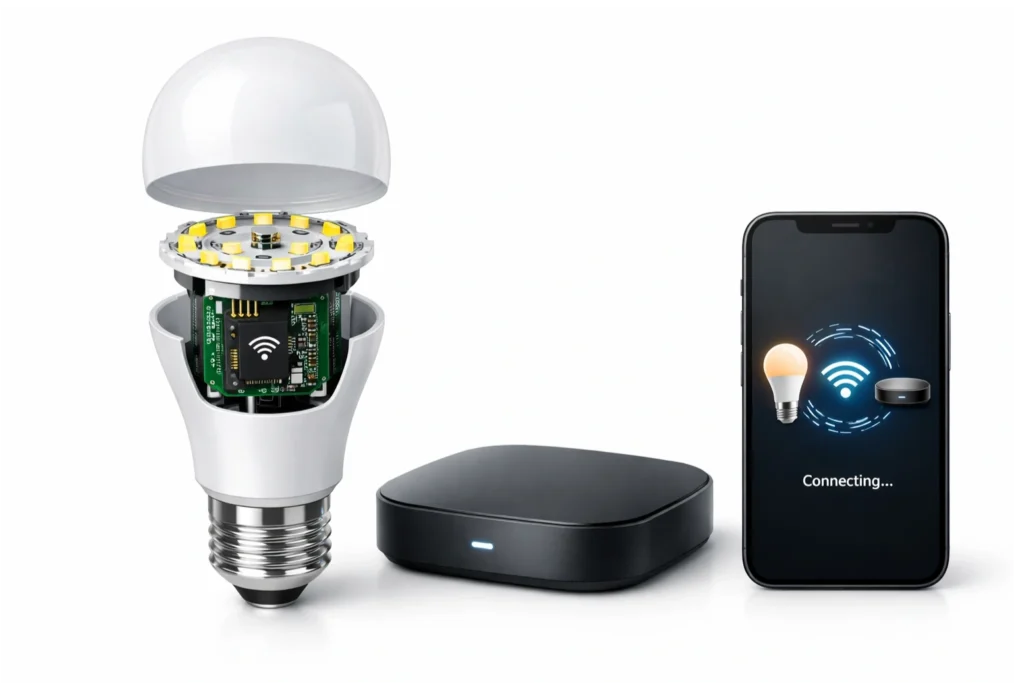
Smart lighting represents a revolutionary shift from traditional lighting systems, incorporating advanced technology that gives you unprecedented control over your home’s illumination. At its core, smart lighting uses LED bulbs equipped with wireless communication capabilities, allowing them to connect to your home network and respond to various control methods.
Core Components of Smart Lighting Systems
The foundation of any smart lighting setup includes several key elements working together seamlessly:
- Smart LED Bulbs: Energy-efficient bulbs with built-in wireless chips that can change color, brightness, and be controlled remotely
- Smart Switches and Dimmers: Wall-mounted controls that replace traditional switches and offer advanced functionality
- Hub or Bridge: A central device that connects your smart lights to your home network and enables communication between devices
- Control Interface: Smartphone apps, voice assistants, or dedicated control panels that let you manage your lighting
According to a report by the U.S. Department of Energy, LED technology used in smart bulbs consumes at least 75% less energy than traditional incandescent lighting and lasts 25 times longer, making smart lighting both eco-friendly and cost-effective.
How Smart Lighting Works
Smart lighting operates through various wireless protocols including Wi-Fi, Zigbee, Bluetooth, or Z-Wave. When you send a command through your smartphone app or voice assistant, the signal travels through your home network to the hub or directly to the bulb, triggering the desired action. This two-way communication allows your lights to send status updates back to you, confirming whether they’re on or off, and providing information about energy consumption.
The technology behind smart lighting has evolved significantly, with modern systems offering features like geofencing (lights that respond to your location), scheduling (automatic on/off times), and scene creation (preset lighting configurations for different moods or activities).
Key Benefits of Smart Lighting for Modern Homes
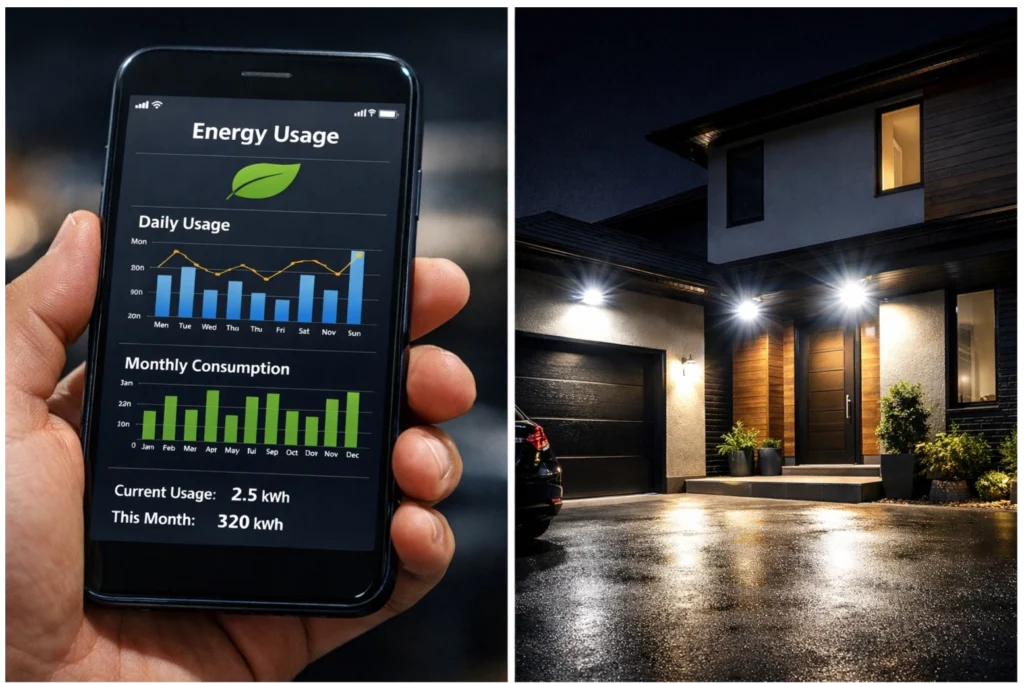
Implementing smart lighting in your home offers numerous advantages that extend far beyond simple on-off functionality. These benefits have made smart lighting one of the fastest-growing segments in home automation technology.
Energy Efficiency and Cost Savings
Smart lighting dramatically reduces energy consumption through several mechanisms. The combination of energy-efficient LED technology and intelligent automation ensures lights are only on when needed. Features like dimming capabilities, scheduling, and motion sensors prevent unnecessary energy waste.
Key savings include:
- Automatic shut-off when rooms are unoccupied
- Dimming options that reduce energy consumption by up to 40%
- Long-lasting LED bulbs that require fewer replacements
- Real-time energy monitoring to track consumption patterns
Research from the American Council for an Energy-Efficient Economy indicates that widespread adoption of smart lighting could reduce national lighting energy use by 30-40%, translating to billions in energy cost savings annually.
Enhanced Convenience and Control
The convenience factor of smart lighting cannot be overstated. Imagine controlling every light in your home from a single app, or using voice commands while your hands are full. Intrasoft Technologies understands how modern technology should simplify daily life, and smart lighting delivers exactly that.
Convenience features include:
- Remote control from anywhere in the world
- Voice activation through Alexa, Google Assistant, or Siri
- Scheduled lighting that aligns with your daily routine
- Group control for managing multiple lights simultaneously
- Integration with other smart home devices
Customization and Ambiance
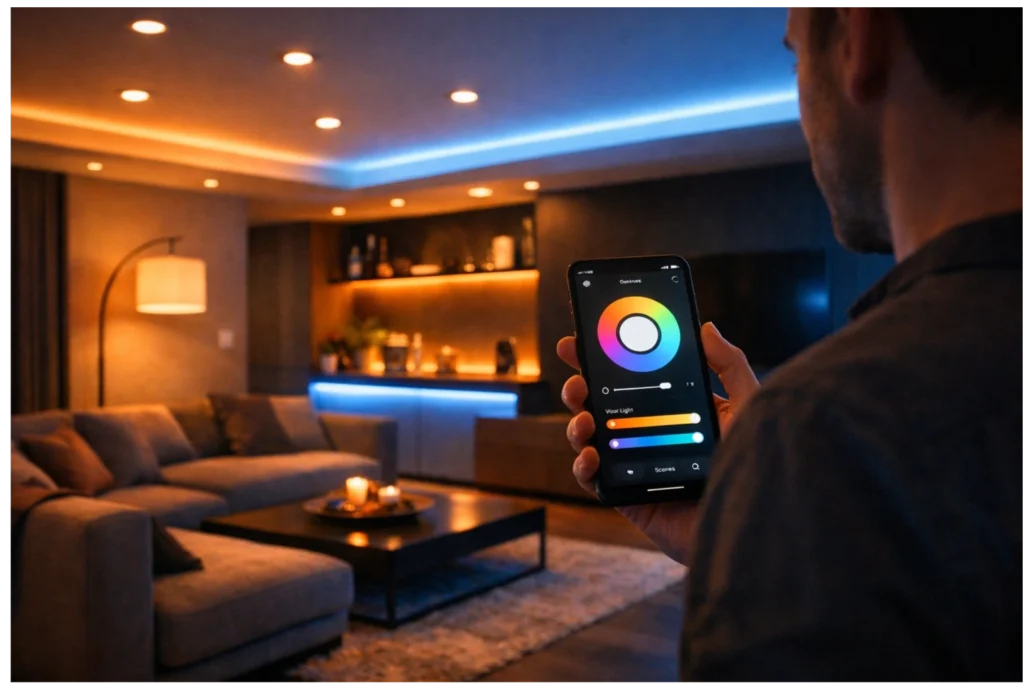
Smart lighting transforms how you experience your living spaces by offering unlimited customization options. Color-changing bulbs can display millions of colors, allowing you to set the perfect mood for any occasion whether it’s a warm amber glow for dinner, vibrant colors for a party, or cool white light for focused work.
You can create lighting scenes that adjust multiple lights at once, establishing the ideal atmosphere with a single command. This level of customization was once only available in commercial settings, but smart lighting has made it accessible and affordable for residential use.
Improved Home Security
Smart lighting serves as an effective security tool by creating the illusion of occupancy when you’re away. Random scheduling features make your home appear lived-in, deterring potential intruders. Integration with security systems can trigger lights during suspicious activity, and motion-activated outdoor lighting enhances visibility around your property.
According to a study by the Insurance Information Institute, homes with visible security measures, including smart lighting systems, are significantly less likely to be targeted by burglars.
Implementing Smart Lighting in Your Home
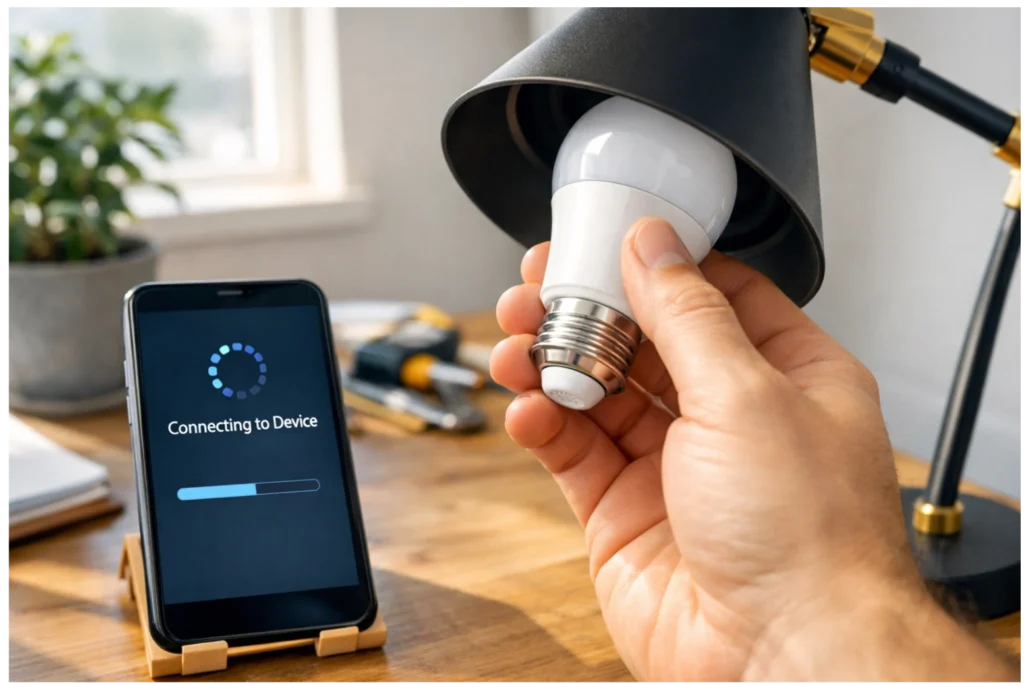
Getting started with smart lighting doesn’t require a complete home renovation or extensive technical knowledge. The modular nature of these systems allows you to start small and expand over time based on your needs and budget.
Choosing the Right Smart Lighting System
The first step is selecting a system that aligns with your requirements. Consider factors like compatibility with existing smart home devices, the size of your home, budget constraints, and desired features. Popular ecosystems include Philips Hue, LIFX, Wyze, and TP-Link Kasa, each offering different advantages.
Decision factors to consider:
- Budget: Entry-level smart bulbs start around $10, while comprehensive systems can cost several hundred dollars
- Compatibility: Ensure compatibility with your preferred voice assistant and existing smart home platform
- Installation Complexity: Some systems require a hub, while others connect directly to Wi-Fi
- Features: Determine if you need color-changing capabilities, outdoor options, or specific automation features
Installation Process
Most smart lighting installations are straightforward DIY projects. Smart bulbs simply screw into existing fixtures like traditional bulbs, connect to your network through an app, and you’re ready to go. Smart switches require slightly more work, potentially involving basic electrical work, but still manageable for most homeowners.
Basic installation steps:
- Download the manufacturer’s app on your smartphone
- Install smart bulbs in your desired fixtures
- Power on the bulbs and follow app instructions to connect them to your network
- Set up hub or bridge if required by your system
- Configure groups, scenes, and automation rules
- Test functionality and adjust settings as needed
Best Practices for Smart Lighting Setup
To maximize the benefits of your smart lighting system, consider starting with high-traffic areas like living rooms, kitchens, and bedrooms. These spaces offer the most opportunities for automation and convenience. Gradually expand to other areas as you become comfortable with the technology.
Create logical groupings that match how you use your spaces. For example, group all bedroom lights together for easy “goodnight” commands, or create an “entertainment” scene that dims living room lights for movie watching. Explore more blogs on smart home automation strategies to discover advanced tips and integration possibilities.
Integration with Smart Home Ecosystems
The true power of smart lighting emerges when integrated with broader home automation systems. Connection with voice assistants enables hands-free control, while integration with smart thermostats, security cameras, and sensors creates sophisticated automation scenarios. For instance, lights can automatically turn on when your security camera detects motion, or adjust based on natural light levels measured by sensors.
Modern smart lighting systems work seamlessly with platforms like Apple HomeKit, Google Home, Amazon Alexa, and Samsung SmartThings, allowing you to build a comprehensive connected home experience.
Future of Smart Lighting Technology
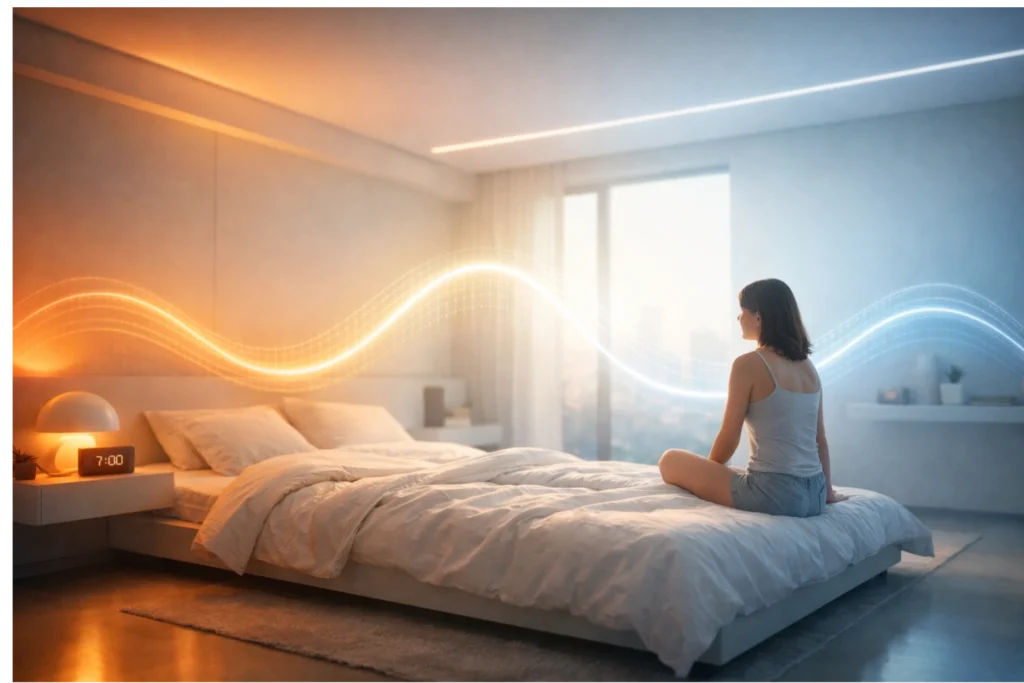
The smart lighting industry continues to evolve rapidly, with innovations that promise even greater functionality and integration. Understanding these trends helps you make informed decisions about your smart lighting investments and prepares you for the connected homes of tomorrow.
Emerging Technologies and Trends
Artificial intelligence is increasingly being incorporated into smart lighting systems, enabling them to learn your preferences and adjust automatically without manual programming. Li-Fi technology, which uses light waves to transmit data, could soon transform light bulbs into high-speed internet access points. Human-centric lighting that adjusts color temperature throughout the day to match natural circadian rhythms is becoming more mainstream, promoting better sleep and overall wellness.
The market is also seeing development in solar-powered smart lighting for outdoor applications, advanced motion sensing with AI-powered occupancy detection, and enhanced integration with health monitoring devices. These innovations are making smart lighting an even more integral part of connected living spaces.
Sustainability and Environmental Impact
As environmental concerns grow, smart lighting stands out as a significant contributor to sustainable living. The combination of LED efficiency and intelligent automation substantially reduces carbon footprints. According to the International Energy Agency, widespread adoption of efficient lighting technologies including smart systems could reduce global lighting electricity demand by 30-50% by 2030.
Many smart lighting manufacturers are also focusing on sustainable production practices, using recyclable materials and reducing packaging waste. This alignment with environmental values makes smart lighting an attractive option for eco-conscious homeowners.
Market Growth and Adoption
The global smart lighting market is experiencing explosive growth, driven by increasing awareness of energy efficiency, declining technology costs, and growing smart home adoption. Experts project the market will reach $46 billion by 2027, indicating mainstream acceptance and continued innovation in the sector.
This growth ensures that smart lighting products will become more affordable, feature-rich, and accessible to average consumers, making now an excellent time to explore what smart lighting can offer your home.
Conclusion
Smart lighting represents far more than a technological novelty it’s a practical, accessible entry point into home automation that delivers tangible benefits in energy savings, convenience, security, and lifestyle enhancement. From understanding what is smart lighting and its core components to implementing systems in your own home, this technology has proven itself as both innovative and practical for modern living.
The journey toward a smarter home begins with a single bulb, and the modular nature of smart lighting systems means you can expand at your own pace and budget. Whether you’re motivated by reducing electricity bills, enhancing home security, or simply enjoying the convenience of voice-controlled illumination, smart lighting offers solutions that adapt to your unique needs. The integration capabilities with broader home automation ecosystems ensure your investment remains relevant as technology continues to evolve.
At Intrasoft Technologies, we believe in empowering homeowners with the knowledge and tools to embrace modern technology confidently. Smart lighting is just the beginning of creating connected, efficient, and comfortable living spaces. As you consider implementing these systems in your home, remember that the best approach is starting with your highest-priority areas and gradually expanding as you discover new possibilities. Ready to explore more about transforming your space with technology?
Visit our blog section for more insights on smart home innovations, automation strategies, and practical guides to help you navigate the exciting world of connected living. The future of home lighting is here bright, intelligent, and remarkably simple.
Frequently Asked Questions (FAQs)
Q1: How much does it cost to install smart lighting in a home?
Basic smart lighting can start as low as $10-15 per bulb, while comprehensive whole-home systems range from $200-1000+ depending on the number of lights and features. Most homeowners begin with 5-10 bulbs costing $50-150 total.
Q2: Do smart lights work without WiFi?
Some smart lights work without WiFi using Bluetooth connections, though functionality is limited. Most systems require WiFi for full features like remote access, voice control, and advanced automation.
Q3: Can smart lighting really save money on electricity bills?
Yes, smart lighting typically reduces lighting costs by 40-60% through LED efficiency, automated scheduling, dimming capabilities, and eliminating unnecessary usage. Most users see ROI within 1-2 years.
Q4: Are smart lights difficult to install?
Most smart bulbs are incredibly easy to install simply screw them into existing fixtures like regular bulbs. Smart switches may require basic electrical work but are still manageable for most DIY enthusiasts.
Q5: What happens to smart lights during internet outages?
During internet outages, smart lights can still be controlled manually using physical switches. Bluetooth-connected lights maintain local control through your smartphone, though cloud-dependent features like remote access won’t work until connectivity is restored.