TL;DR:
- Explore the latest smart home devices that can transform your lifestyle in 2026.
- Learn how to set up a smart home system for maximum efficiency and comfort.
- Discover the benefits of integrating smart lighting systems into your home.
- Understand how smart thermostats can save energy and money in the long run.
- Get actionable tips for beginners to start with smart home automation.
Did you know that the smart home market is projected to reach a remarkable $157 billion by 2026? As technology continues to evolve, smart home devices are becoming an integral part of everyday life, offering convenience, security, and energy efficiency. Whether you’re a tech enthusiast or just starting, upgrading your home with the latest gadgets provides numerous benefits.
In this blog, we’ll explore the must-have smart home devices for 2026. We’ll cover the top smart home security systems, energy-saving smart thermostats, and much more. Plus, we’ll show you how to set up your smart home seamlessly, whether you’re a beginner or looking to upgrade your existing system.
Smart Home Security Systems: Keeping Your Home Safe and Secure
The Rising Importance of Smart Home Security in 2026:
Smart home security is no longer a luxury it’s a necessity. By 2026, more than 40% of households in the U.S. are expected to have some form of smart security system. These systems offer more than just surveillance; they provide real-time alerts, remote monitoring, and smart integration with other devices.
Key Benefits of Smart Home Security Systems:
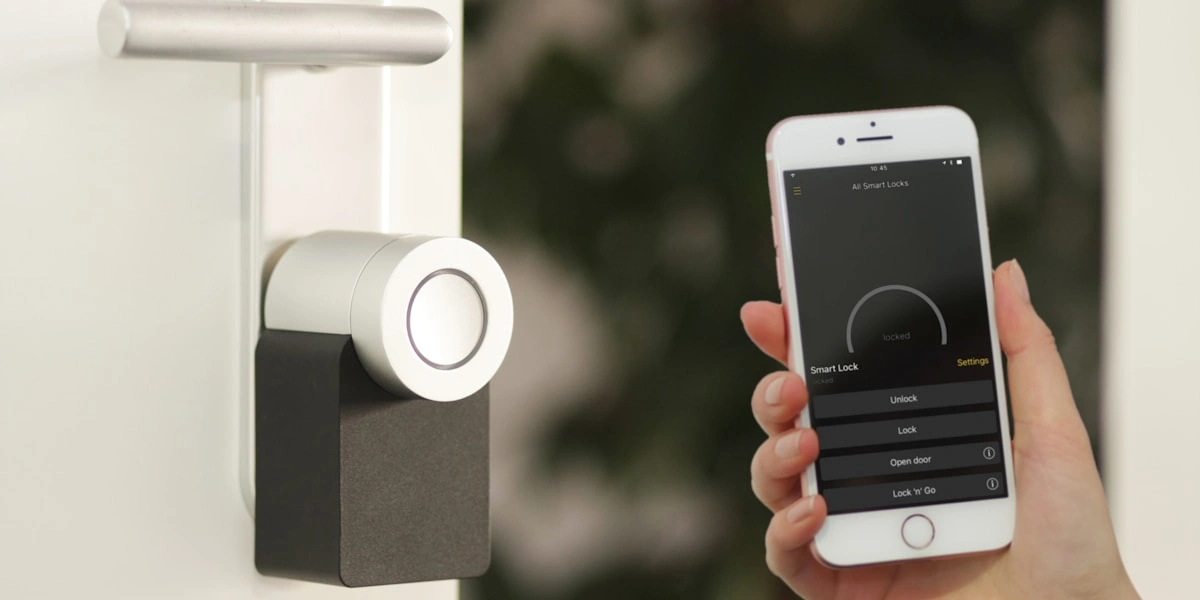
- Remote Access: Control cameras, alarms, and locks from your phone or computer no matter where you are.
- Smart Surveillance: Features like motion detection and facial recognition keep you informed of suspicious activity.
- Integration with Other Devices: Smart security systems work with other devices like lights and thermostats for an all-in-one automated experience.
Popular Devices to Consider:
- Ring Video Doorbell: Offers HD video and two-way audio, letting you communicate with visitors remotely.
- Nest Secure: Google’s system features motion sensors, alarms, and remote monitoring via an app.
- SimpliSafe: Customizable and affordable security systems with no contracts.
Smart home security systems give you peace of mind, knowing you’re always in control of your home’s safety.
Smart Lighting Systems – Lighting the Way to Efficiency and Style
Transforming Your Home with Smart Lighting
Smart lighting systems can dramatically enhance your home’s ambiance while saving energy. These systems give you control over brightness, color, and scheduling, perfect for creating a customized environment that fits your needs.
Key Features of Smart Lighting Systems:
- Energy Efficiency: Smart bulbs use up to 75% less energy than traditional bulbs, offering long-term savings.
- Customization: Adjust the color and brightness of your lights based on the time of day or activity.
- Automation: Program your lights to turn on or off based on your schedule or actions, like motion detection.
How to Set Up Smart Lighting:
- Choose a Smart Bulb System: Popular options like Philips Hue and LIFX are user-friendly and efficient.
- Download the Companion App: Connect your bulbs to your home’s Wi-Fi network via the app.
- Set Up Voice Controls: Integrate with virtual assistants like Alexa, Google Assistant, or Siri.
- Automate Lighting: Program your lights to adjust automatically for different times of day or based on your preferences.
Table: Popular Smart Lighting Systems
| Smart Lighting System | Key Features | Price Range |
| Philips Hue | Energy-efficient, customizable colors | $60-$250 |
| LIFX | No hub required, vivid colors | $50-$200 |
| Lutron Caseta | Integrates with most home systems | $40-$150 |
Smart Thermostats – Comfort and Savings Combined
The Benefits of Smart Thermostats
One of the smartest ways to make your home more efficient is by installing a smart thermostat. These devices offer significant energy savings while keeping your home at the perfect temperature year-round. According to the U.S. Department of Energy, homeowners can save up to 10% annually on heating and cooling by simply adjusting their thermostat by 7-10 degrees for 8 hours a day.
Key Features of Smart Thermostats:
- Energy Efficiency: Smart thermostats adjust heating and cooling based on your schedule, reducing energy waste.
- Remote Control: Change your thermostat’s settings remotely through your smartphone, whether you’re at work or on vacation.
- Integration with Other Devices: Many models integrate with other smart home devices, like lights and security cameras, for a seamless experience.
Top Smart Thermostats to Consider:
- Nest Learning Thermostat: Automatically adjusts to your preferences and learns your schedule for maximum energy savings.
- Ecobee Smart Thermostat: Comes with built-in Alexa and a sensor to manage temperature throughout your home.
- Honeywell Home T9: Features smart room sensors to ensure optimal comfort and energy savings across your home.
Smart thermostats help you reduce heating and cooling costs by adapting to your lifestyle.
How to Set Up a Smart Home: A Beginner’s Guide
How to Set Up Smart Home Automation for Beginners
Setting up a smart home doesn’t have to be complicated. Here’s how you can start:
- Identify Your Needs: Think about what you want to automate. Whether it’s lighting, security, or energy management, choosing a focus helps you narrow down your options.
- Choose the Right Ecosystem: Choose between Google Home, Amazon Alexa, or Apple HomeKit. These ecosystems will help you control all your devices from one platform.
- Install Devices: Follow the easy-to-follow installation guides for your selected devices. Most smart devices come with step-by-step instructions for quick setup.
- Create Automations: After installing your devices, set up automation rules. For example, set your thermostat to turn off when you leave the house or program your lights to brighten when you wake up.
Best Devices for Beginners:
- Amazon Echo Dot: The Echo Dot is an affordable entry into the world of smart home automation. It connects easily with Alexa and integrates with numerous smart devices.
- Philips Hue Starter Kit: Includes bulbs and a hub to easily control your lighting.
- Wyze Cam: A budget-friendly security camera with smart features.
The Future of Smart Homes: Trends to Watch in 2026 and Beyond
1. AI-Powered Home Automation
AI is set to transform smart homes by making them more intuitive. Future systems will predict your preferences, adjusting temperatures, lights, and security settings without needing you to intervene.
2. Increased Interoperability Between Devices
As smart homes become more interconnected, the ability to integrate devices from different brands will grow. In 2026, we’ll see fewer limitations and more flexibility in how devices work together.
3. Smart Home Energy Management
Energy management systems will become a staple in smart homes, helping homeowners optimize energy consumption. Devices will automatically adjust to maximize savings, offering smarter control over heating, cooling, and electricity usage.
4. Enhanced Smart Home Security with Biometrics
Future security systems will include advanced biometric technology, such as fingerprint scanners and voice recognition, for even tighter security control.
5. Smart Home Healthcare Devices
Health monitoring will become an integral part of smart homes, with devices that track vitals and send real-time updates. In 2026, expect smarter devices that integrate seamlessly into your home and daily routines.
FAQs
Q1: How do I get started with a smart home if I’m a beginner?
Start with a few essential devices like a smart speaker, smart thermostat, and smart lighting. Once you’re comfortable, expand your system with smart cameras, locks, and other appliances.
Q2: Are smart home devices safe?
Yes, as long as you choose reputable brands and take necessary security measures like setting strong passwords and enabling two-factor authentication.
Q3: Can I integrate all my devices with one platform?
Yes, most smart home devices today are designed to integrate with platforms like Google Home, Amazon Alexa, or Apple HomeKit, allowing you to control all devices through a single interface.
Q4: Will smart home devices save me money on energy bills?
Yes, devices like smart thermostats and lighting systems help reduce energy consumption, leading to lower utility bills over time.
Q5: Can I control my smart home while I’m away?
Absolutely! Most smart home systems allow remote control via smartphone apps, so you can manage devices from anywhere in the world.
Conclusion
Smart home devices are no longer just for the tech-savvy; they’re becoming a standard part of daily life. Whether you want to secure your home, save on energy bills, or make your life more convenient, upgrading to a smart home offers countless benefits.
Start small with key devices like smart lighting and thermostats, and gradually add more features as you get comfortable with the technology. The future of home living is here, and it’s smart. Ready to take the leap and upgrade your home? Start with the smart home devices that best fit your needs and transform your living space today.
For more tips and detailed guides on smart home devices and technology, visit Etagicon. Check out our latest articles on the Etagicon.