TLDR
- Discover how real-world performance metrics differ from spec sheet comparisons when evaluating cameras.
- Learn which camera features matter most for different photography styles and shooting scenarios.
- Understand the balance between image quality, usability, and value across various camera categories.
- Explore practical testing methods to determine which camera truly fits your workflow and creative needs.
You’ve narrowed down your camera choices to two or three models, meticulously compared their specifications, and yet you’re still stuck at the decision point. Sound familiar? Here’s the reality: according to a recent photography industry survey, over 80% of photographers report that their camera purchase decisions based solely on technical specs didn’t fully match their real-world shooting experience. The gap between what looks impressive on paper and what performs exceptionally in your hands can be surprisingly wide.
When conducting a proper camera comparison, the numbers tell only half the story. Megapixel counts, ISO ranges, and frames-per-second ratings create a foundation, but they don’t capture how a camera feels during a 10-hour wedding shoot, how quickly you can adjust settings in changing light, or whether the autofocus keeps up with your subject’s unpredictable movements.
This comprehensive guide cuts through the marketing hype and specification overload to reveal what actually matters in real-world photography. We’ll explore how different cameras perform across various shooting conditions, examine the features that genuinely impact your creative output, and provide a practical framework for making an informed decision that aligns with how you actually shoot, not just what looks good in a comparison chart. At Etagicon, we understand that choosing the right camera goes beyond specifications. It’s about finding the perfect tool that empowers your creative vision.
Understanding Real-World Performance vs. Specifications
Why Spec Sheets Don’t Tell the Complete Story
The digital camera market has become obsessed with quantifiable metrics, but these numbers exist in a vacuum. A camera boasting 45 megapixels sounds superior to one with 24 megapixels, yet professional photojournalists consistently choose the latter for its superior low-light performance and faster processing speeds. This disconnect happens because specifications measure isolated capabilities while real-world photography demands a harmonious blend of multiple factors.
Key differences between spec sheet promises and actual performance include:
- Autofocus points vs. autofocus accuracy: A camera advertising 693 autofocus points means nothing if those points cluster in the center or struggle with contrast detection in dim environments
- Maximum ISO vs. usable ISO: Marketing materials tout ISO 102,400 capabilities, but according to imaging testing labs, images beyond ISO 6,400 often show significant noise and color degradation that makes them unusable for professional work
- Burst rate vs. buffer depth: Shooting 20 frames per second becomes meaningless when the buffer fills after 15 shots, forcing you to wait 8 seconds before continuing
- Dynamic range numbers vs. practical exposure latitude: Lab-tested dynamic range of 14 stops doesn’t reflect how well the camera recovers shadow detail in high-contrast scenes you encounter daily
The best camera comparison approach evaluates how these specifications translate into tangible benefits for your specific photography style. A landscape photographer needs different capabilities than a sports photographer, yet both might be drawn to similar specifications without understanding the practical implications.
Critical Factors That Impact Daily Shooting Experience
Beyond the headline specifications, several often-overlooked elements determine whether a camera becomes an extension of your creative vision or a source of frustration:
Ergonomics and handling shape your shooting efficiency more than any technical specification. The grip depth, button placement, and menu navigation speed affect every single shot you take. A camera that requires diving into menus to change common settings disrupts your creative flow and causes you to miss decisive moments. When you’re exploring photography techniques and equipment insights, ergonomics should be a primary consideration.
Weather sealing quality varies dramatically even among cameras claiming professional-grade protection. Some bodies handle light mist while others survive desert sandstorms and tropical downpours. Testing reviews and user experiences reveal which cameras truly withstand harsh conditions versus those with marketing-friendly weather sealing claims.
Battery life in real-world conditions often falls short of CIPA ratings. According to CIPA standardized testing protocols, mirrorless cameras particularly suffer when using electronic viewfinders continuously, enabling Wi-Fi, or shooting in cold weather. A camera rated for 500 shots might deliver 300 in actual use, fundamentally affecting how you plan shoots and what accessories you need.
Lens ecosystem compatibility determines your long-term investment trajectory. A camera body might cost $2,000, but the lens collection you build around it represents the real financial commitment. Native lens availability, third-party support, and adapter functionality all impact whether your chosen system can grow with your evolving needs.
Camera Types and Their Real-World Strengths
Mirrorless vs. DSLR: The Practical Differences
The mirrorless vs DSLR debate has evolved beyond simple tribalism into nuanced territory where each system offers distinct advantages depending on usage patterns. This camera comparison isn’t about declaring a universal winner but understanding which technology aligns with your shooting requirements.
| Feature | Mirrorless Advantage | DSLR Advantage |
| Size & Weight | 25-40% lighter for equivalent performance | Larger grip often preferred for telephoto lenses |
| Autofocus Coverage | Edge-to-edge focus points across entire frame | Dedicated phase-detection sensors for optical viewfinder |
| Electronic Viewfinder | Exposure preview, focus peaking, real-time effects | Optical viewfinder shows true scene without lag or battery drain |
| Battery Life | Improving but typically 300-500 shots | Consistently 800-1,200+ shots per charge |
| Video Capabilities | Advanced features like 4K 60fps, focus tracking | Limited by mirror mechanism, fewer video-centric features |
| Silent Shooting | Completely silent electronic shutter option | Mechanical shutter creates audible sound |
For wedding and event photographers, mirrorless cameras offer silent shooting modes that allow capturing ceremonies without disruptive shutter sounds. The electronic viewfinder displays exactly how your exposure will look, eliminating guesswork in challenging lighting. However, DSLR battery life means fewer mid-event battery swaps during critical moments.
For wildlife and sports photographers, the camera comparison becomes more complex. Modern mirrorless autofocus systems track subjects with remarkable accuracy, but DSLRs still offer optical viewfinders with zero lag, which is critical when tracking fast-moving subjects. The choice often comes down to whether you prioritize cutting-edge autofocus or the instantaneous response of an optical viewfinder.
Full-Frame vs. Crop Sensor: When Size Actually Matters
Sensor size debates generate passionate opinions, but the real-world implications depend entirely on what you photograph and how you work. According to sensor technology research, full-frame sensors provide measurable advantages in specific scenarios while crop sensors excel in others.
Full-frame cameras deliver superior performance in:
- Low-light situations: Larger photosites capture more light, producing cleaner images at ISO 3,200 and above
- Shallow depth of field control: Achieving that coveted background blur becomes easier with full-frame sensors
- Wide-angle photography: No crop factor means a 16mm lens delivers true ultra-wide perspective
- Professional client perception: Many clients expect full-frame equipment, whether or not they understand the technical differences
Crop sensor cameras provide practical benefits for:
- Wildlife and sports photography: The 1.5x or 1.6x crop factor extends telephoto reach. A 300mm lens effectively becomes 450mm or 480mm
- Budget-conscious photographers: Bodies and lenses cost significantly less while still delivering excellent image quality
- Travel photography: Smaller, lighter systems reduce fatigue during long shooting days
- Depth of field control in macro work: The increased depth of field helps keep small subjects sharp throughout
The sensor size in your camera comparison should align with your primary shooting scenarios. A wildlife photographer benefits more from crop sensor reach advantages, while a portrait photographer working in dimly lit venues needs full-frame low-light performance.
Key Performance Metrics in Real-World Scenarios
Autofocus Performance: Beyond Point Count
Autofocus specifications look impressive in marketing materials. 693 points! AI-powered tracking! Eye detection for humans and animals! But real-world autofocus performance separates usable cameras from frustrating ones. The camera comparison that matters happens when you’re trying to capture your subject in challenging conditions.
Real-world autofocus evaluation criteria include:
- Low-light acquisition speed: Can the camera lock focus in dim restaurants, evening events, or shaded forest environments? According to optical testing standards, autofocus systems rated to -4 EV or lower handle most low-light scenarios effectively
- Subject tracking consistency: Does the camera maintain focus on your subject as they move erratically, or does it hunt and refocus on background elements?
- Face and eye detection reliability: Marketing promises aren’t the same as consistent performance across different skin tones, lighting conditions, and angles
- Focus point placement flexibility: Are focus points where you actually compose subjects, or clustered uselessly in the center?
Testing autofocus in your specific shooting environment before purchasing reveals whether impressive specifications translate to reliable performance. Bring the camera to a dimly lit venue if you shoot events. Test subject tracking at a local sports field if you photograph action.
Image Quality: When Megapixels Don’t Matter
The megapixel race has created unrealistic expectations about what determines excellent image quality. A 45-megapixel camera doesn’t automatically produce better images than a 24-megapixel alternative. In fact, research from digital imaging experts demonstrates that lens quality, sensor technology, and image processing algorithms impact perceived sharpness more than raw pixel count.
Megapixels matter when you:
- Print larger than 24×36 inches regularly
- Crop extensively in post-processing and need resolution reserves
- Shoot commercial work where clients demand maximum resolution
- Create images for billboards, museum prints, or large-format displays
Megapixels become less important when you:
- Share primarily on social media and websites (where images get compressed to 2-4 megapixels)
- Print standard sizes (8×10 through 16×20 inches)
- Shoot fast-moving subjects where burst rate and buffer depth outweigh resolution
- Work in low-light conditions where smaller files process faster with less noise
The more meaningful camera comparison examines color science, which is how the camera renders colors straight out of camera. Some manufacturers produce warm, vibrant tones ideal for portraits. Others prioritize neutral, accurate colors perfect for commercial work. Dynamic range, the ability to capture detail in both bright and dark areas simultaneously, matters far more than megapixels for landscape and architectural photographers.
Video Capabilities: Hybrid Shooting Considerations
Modern cameras increasingly serve dual purposes for still photography and video content creation. If you shoot any video, even occasionally for social media or family memories, video specifications deserve attention in your camera comparison.
Essential video features for serious content creators:
- 4K resolution at 60fps: Smooth motion for action content with flexibility for slow-motion effects
- 10-bit color depth: Dramatically expands color grading possibilities in post-production
- Log profiles: Flat picture profiles preserve maximum dynamic range for professional color correction
- In-body image stabilization: Reduces jittery handheld footage without requiring stabilized lenses
- External recording options: HDMI output for recording to external recorders with professional codecs
- Audio input flexibility: Microphone jacks and headphone monitoring for quality sound capture
For photographers who shoot occasional video, simpler specifications suffice. Good 4K at 30fps, decent autofocus during video recording, and adequate in-camera stabilization handle most casual video needs without justifying the premium cost of cinema-focused cameras.
The most practical approach in this camera comparison aspect? Honestly assess how much video you’ll realistically shoot. Many photographers overestimate their video needs and pay premiums for features they rarely use.
Making the Right Choice for Your Photography Style
Portrait and Wedding Photography Priorities
Portrait and wedding photographers demand cameras that deliver consistently under pressure. Your camera comparison should prioritize reliability over cutting-edge specifications. Missing a critical moment due to equipment failure isn’t acceptable when capturing once-in-a-lifetime events.
Must-have features for wedding and portrait work:
- Dual card slots: Simultaneous backup recording prevents disaster if a memory card fails during a ceremony
- Accurate and consistent color science: Skin tones should look natural across different lighting conditions without extensive correction
- Fast burst rates with deep buffers: Capturing fleeting expressions during group shots requires sustained shooting capability
- Professional-grade autofocus: Face and eye detection must work reliably with multiple subjects at varying distances
- Excellent high-ISO performance: Reception venues often have terrible lighting that demands clean images at ISO 3,200-6,400
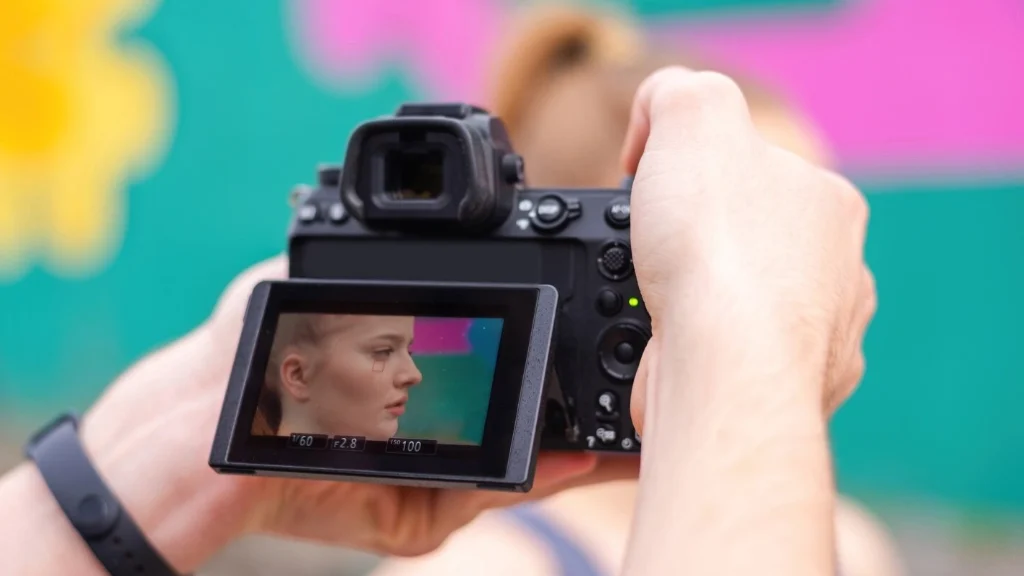
Recommended camera comparison considerations for this photography style include full-frame sensors for superior low-light performance and shallow depth-of-field control, tilting or articulating screens for creative angles without awkward body positions, and robust weather sealing since ceremonies happen regardless of weather conditions.
Battery life becomes critical during 10-hour wedding days. Cameras offering 800+ shots per charge reduce anxiety about running out of power during crucial moments.
Landscape and Travel Photography Requirements
Landscape photographers face different priorities in their camera comparison journey. You’re rarely racing against time or shooting in uncontrollable environments. Instead, image quality, dynamic range, and system portability matter most.
Essential features for landscape and travel photography:
- Exceptional dynamic range: Capturing detail in bright skies and dark foreground shadows simultaneously requires sensors with at least 13-14 stops of dynamic range
- High-resolution sensors: 30-45 megapixels provide flexibility for large prints and significant cropping
- Weather-sealed construction: Mountain peaks, coastal environments, and desert locations expose equipment to harsh elements
- Effective image stabilization: Handheld shooting in low light or from unstable positions demands in-body or lens-based stabilization
- Lightweight system: When hiking 10 miles with camera gear, every ounce matters
Mirrorless systems generally win the camera comparison for travel photography due to reduced weight. A full mirrorless kit (body and 2-3 lenses) weighs 25-40% less than equivalent DSLR equipment, which is a significant advantage during long shooting days.
Battery life concerns become more pronounced in remote locations without charging access. Carrying multiple batteries and portable power banks becomes necessary for multi-day wilderness photography trips.
Sports and Wildlife Photography Demands
Action photographers need cameras that track moving subjects relentlessly while delivering fast burst rates and quick buffer clearing. Your camera comparison should prioritize autofocus performance and burst shooting capabilities above most other specifications.
Critical features for sports and wildlife photography:
- Fast and accurate autofocus tracking: Subject detection and tracking algorithms must maintain focus on erratically moving subjects
- High burst rates (10+ fps): Capturing peak action requires sustained fast shooting
- Deep buffer depth: The ability to shoot 100+ RAW images in a burst without slowdown
- Telephoto lens compatibility: Access to 300mm, 400mm, 500mm, and 600mm lenses from the manufacturer or third parties
- Excellent high-ISO performance: Many sports happen in poorly lit indoor arenas or during evening events
The sensor size debate becomes interesting for wildlife photographers. Crop sensors provide 1.5-1.6x reach multiplication, making a 400mm lens effectively 600mm or 640mm. This advantage partially offsets full-frame low-light benefits, especially for daytime wildlife photography where light isn’t problematic.
Ergonomics matter intensely when handholding heavy telephoto lenses for hours. Deep grips, well-placed controls, and balanced weight distribution reduce fatigue during long shooting sessions.
Budget Considerations and Value Propositions
Entry-Level Cameras: Where to Invest Your Money
If you’re beginning your photography journey or working with limited budgets, smart camera comparison decisions maximize value without compromising your ability to create excellent images. According to consumer photography market analysis, entry-level cameras between $500-$1,000 offer remarkable capabilities that were professional-grade features just 5-7 years ago.
The best value strategy for entry-level photographers:
- Invest more in lenses than bodies: A $700 body with a $500 lens outperforms a $1,000 body with a $200 lens every time
- Consider previous-generation flagship models: Last year’s professional camera often costs less than this year’s mid-range model while delivering superior performance
- Evaluate used markets carefully: Well-maintained used cameras from reputable sellers offer 30-50% savings with minimal compromise
- Prioritize the kit lens carefully: The standard kit lens affects your early photography experience significantly. Research which bundles include decent glass
Features worth paying extra for in entry-level camera comparison include weather sealing (protects your investment in varied conditions), dual card slots (prevents catastrophic data loss), and in-body image stabilization (works with any lens you attach).
Features you can skip to save money include the highest resolution sensors (24 megapixels handles virtually all non-commercial needs), advanced video specifications you won’t use, and built-in GPS (phone GPS tagging works fine).
Mid-Range Options: The Sweet Spot for Most Photographers
Mid-range cameras between $1,500-$2,500 represent the performance sweet spot in any comprehensive camera comparison. These models deliver 85-90% of flagship capabilities at 50-60% of the cost, which is the definition of excellent value.
What mid-range cameras excel at:
- Professional-grade image quality suitable for commercial work
- Advanced autofocus systems borrowed from flagship models
- Robust build quality and weather sealing
- Sufficient burst rates and buffer depths for most action photography
- Comprehensive video features for hybrid shooters
Where mid-range cameras compromise compared to professional flagships includes slightly lower burst rates (8-10 fps vs. 12-20 fps), smaller batteries with shorter life, and less extensive customization options. For most photographers, these compromises don’t impact real-world shooting.
The mid-range camera comparison should focus on system investment potential. Which manufacturer offers the lens lineup you’ll eventually want? Does the camera use the same batteries as higher models you might upgrade to? Will your investment in accessories (grips, flashes, remote triggers) transfer to future bodies?
Professional Flagship Models: When Premium Features Matter
Professional flagship cameras cost $3,500-$6,500 but deliver capabilities that mid-range models simply can’t match. The camera comparison question becomes: do you actually need these premium features, or are you paying for specifications you’ll never utilize?
Flagship features worth the premium for professional photographers:
- Ultimate reliability: Build quality, shutter lifespan (400,000+ actuations), and weather sealing designed for daily professional abuse
- Maximum burst rates: 20-30 fps with essentially unlimited buffer depth for capturing split-second moments
- Best-in-class autofocus: Latest tracking algorithms, most extensive coverage, fastest acquisition in all lighting
- Professional connectivity: Built-in Ethernet, GPS, advanced wireless transmission for news and sports photographers
- Superior ergonomics: Extensive customization, illuminated buttons, optimized grip for long shooting sessions
Who genuinely needs flagship cameras? Full-time professionals whose income depends on equipment reliability, photographers shooting in extreme conditions regularly, sports and wildlife specialists requiring maximum performance, and those whose clients expect or contract requires top-tier equipment.
Who can skip flagships without compromise? Enthusiast photographers regardless of skill level, part-time professionals shooting controlled environments, photographers prioritizing lens investment over body specs, and anyone questioning whether they truly need flagship features. If you’re unsure, you probably don’t.
Testing and Evaluation Methods
Hands-On Testing Before Purchase
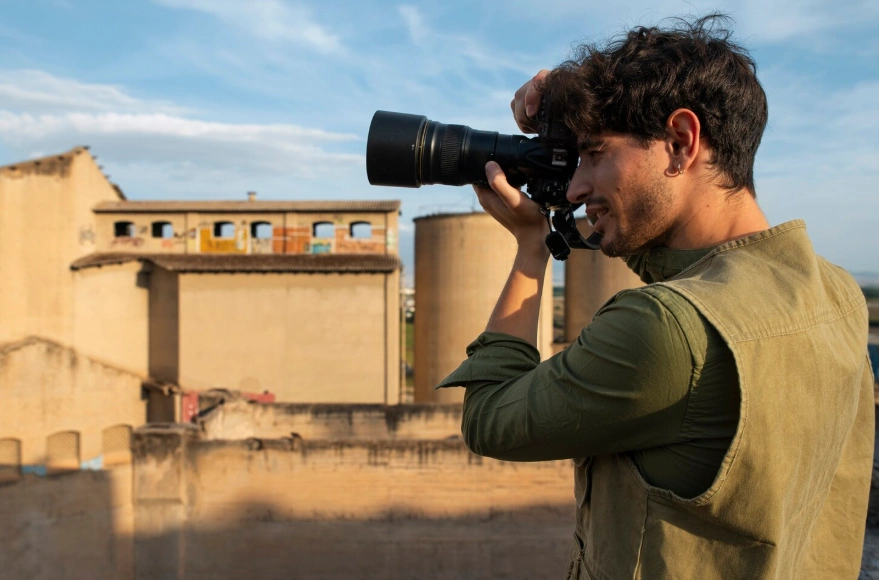
The most valuable camera comparison happens with the camera in your hands, shooting scenarios you’ll actually encounter. Specifications and reviews provide guidance, but personal testing reveals whether a camera suits your shooting style and ergonomic preferences.
Effective in-store testing strategies:
- Bring your own memory card: Capture images you can examine on your own computer with your editing workflow
- Test in camera comparison mode: If considering multiple models, test them back-to-back shooting identical scenes
- Evaluate menu navigation speed: Navigate through settings you’ll change frequently to assess whether the interface feels intuitive
- Hold the camera for 15+ minutes: Initial impressions differ from how the camera feels after extended shooting sessions
- Test with lenses you plan to buy: The kit lens doesn’t represent how the system performs with quality glass
Questions to answer during hands-on testing:
- Can you reach all essential controls without removing your eye from the viewfinder?
- Does the grip feel secure with your largest lens attached?
- Is the viewfinder magnification comfortable for extended use?
- Can you hear the autofocus motor during video recording?
- How quickly does the camera wake from sleep mode?
Understanding Camera Reviews and Comparisons
Online camera reviews flood the internet, but quality varies dramatically. Effective camera comparison research requires distinguishing between comprehensive testing and superficial first-impressions content.
Trustworthy review sources provide:
- Standardized testing methodologies applied consistently across cameras
- Real-world shooting scenarios beyond controlled lab conditions
- Detailed autofocus testing across various lighting conditions
- Long-term usage impressions after weeks or months of shooting
- Transparent disclosure of potential conflicts (sponsored content, affiliate relationships)
Red flags in camera reviews include:
- Focusing exclusively on specifications without real-world shooting examples
- Reviewing cameras after just 24-48 hours of use (insufficient time for meaningful evaluation)
- Comparing cameras from different categories (entry-level vs. flagship) without context
- Failing to discuss downsides or limitations (every camera has compromises)
- Over-emphasizing features that sound impressive but rarely matter in practical use
Independent camera testing organizations provide valuable standardized measurements of sensor performance, autofocus accuracy, and image quality. Combine these objective measurements with subjective user experiences from photographers working in your specialty to build a comprehensive understanding.
The Importance of Lens Ecosystem Evaluation
A camera body represents just the beginning of your investment. The available lenses, their quality, pricing, and compatibility determine whether your chosen system can grow with your evolving photography needs.
Lens ecosystem evaluation criteria:
- Native lens availability: Does the manufacturer offer lenses covering focal lengths you’ll need (wide-angle, standard, telephoto)?
- Third-party support: Are Sigma, Tamron, and other third-party manufacturers producing lenses for this mount?
- Lens pricing tiers: Can you find excellent budget options, or do all lenses cost premium prices?
- Used market depth: Are quality used lenses readily available as your budget allows upgrades?
- Future-proofing: Is the lens mount actively supported, or is the manufacturer transitioning to new systems?
A camera comparison favoring body A over body B might reverse when examining complete system costs. If Body A costs $1,500 but the three lenses you need cost $4,000, while Body B costs $1,800 with those three lenses totaling $2,400, Body B represents far better value despite higher initial cost.
This system-level thinking prevents the common mistake of choosing a camera based on body specifications only to discover limited, expensive lens options that constrain your photography for years.
Frequently Asked Questions (FAQs)
What should I prioritize when doing a camera comparison for the first time?
When conducting your first camera comparison, prioritize ergonomics and ease of use over impressive specifications. A camera that feels comfortable in your hands and has an intuitive menu system will help you learn photography faster than a technically superior model with a steep learning curve. Focus on image quality at the ISO ranges you’ll actually use (typically 100-3,200 for most beginners), autofocus performance in your primary shooting scenarios, and lens availability within your budget. The best camera for you is one you’ll want to carry and use regularly, not one that sits at home because it’s too complicated or heavy.
How much should I spend on a camera body vs. lenses?
A general rule of thumb for camera comparison investment is to allocate 40-50% of your total budget to the camera body and 50-60% to lenses. Lenses typically retain their value longer and have a more significant impact on image quality than camera bodies. A $800 camera with a $1,200 lens produces better results than a $1,500 camera with a $500 lens. Quality lenses also work with future camera body upgrades, making them the smarter long-term investment. If budget is limited, consider buying a slightly older or entry-level body and investing in better glass that you’ll use for years to come.
Is it worth buying a used camera or should I always buy new?
Buying used cameras can offer excellent value in your camera comparison process, but requires careful evaluation. Reputable used camera dealers often provide 90-180 day warranties and thoroughly inspect equipment before selling. Check the shutter count (cameras are typically rated for 100,000-400,000 actuations depending on the model), examine the sensor for dust or damage, and test all buttons and dials. Avoid private sales without the ability to thoroughly test the equipment. Well-maintained used cameras from the previous generation often deliver 80-90% of current model performance at 40-60% of the new price, making them smart choices for budget-conscious photographers.
How important is weather sealing for everyday photography?
Weather sealing importance depends entirely on your shooting environment and risk tolerance. If you primarily shoot indoors, in controlled environments, or only in perfect weather, weather sealing offers minimal benefit and shouldn’t significantly influence your camera comparison. However, if you shoot outdoor events, travel photography, or landscape work where you encounter unexpected weather, weather sealing provides crucial protection for your investment. Light moisture, dust, and sand can damage unsealed cameras over time. Consider that replacing a damaged camera costs far more than the premium for weather-sealed equipment. For serious photographers shooting in varied conditions, weather sealing is worth the extra investment.
Should I choose mirrorless or DSLR in today’s market?
In 2025, the camera comparison between mirrorless and DSLR systems clearly favors mirrorless for most photographers. Major manufacturers have shifted development resources almost entirely to mirrorless technology, meaning new features, lens releases, and innovations primarily benefit mirrorless users. Mirrorless cameras offer advantages including superior autofocus coverage, better video capabilities, smaller size, and silent shooting options. However, DSLRs remain excellent choices for photographers who prefer optical viewfinders, need maximum battery life, already own significant DSLR lens collections, or work in scenarios where mirror mechanism durability matters. The used DSLR market also offers exceptional value for budget-conscious buyers.
How do I know if I need a full-frame or crop sensor camera?
Your camera comparison between full-frame and crop sensor should be based on your actual shooting needs rather than perceived status. Choose full-frame if you regularly shoot in low-light conditions (events, indoor sports, astrophotography), need maximum shallow depth of field control for portraits, or require the absolute best image quality for large prints and commercial work. Choose crop sensor if you shoot wildlife or sports where the 1.5-1.6x crop factor extends your telephoto reach, have budget constraints (both bodies and lenses cost less), prioritize a lightweight travel system, or you’re a beginner who doesn’t need full-frame capabilities yet. Many professional photographers successfully use crop sensors for specific applications.
What megapixel count do I actually need?
For most photographers, 24-26 megapixels provides the optimal balance in any camera comparison. This resolution handles prints up to 20×30 inches with excellent quality, allows moderate cropping flexibility, performs well in low light, and doesn’t create massive file sizes that slow down your computer. You need higher resolution (30-45+ megapixels) only if you regularly print larger than 24×36 inches, crop extensively in post-processing, shoot commercial work with specific resolution requirements, or create images for large-format advertising displays. More megapixels also demand better lenses, more storage, and more powerful computers for processing. For social media, web use, and standard prints, anything above 24 megapixels offers minimal practical benefit.
How long will my camera remain relevant before I need to upgrade?
A quality camera from your camera comparison research should remain relevant for 5-7 years or longer for most photographers. Camera technology advancement has slowed significantly compared to the rapid changes of 2010-2020. Today’s cameras capture such high-quality images that technical obsolescence rarely necessitates upgrades. Most photographers upgrade because they’ve outgrown their camera’s capabilities for their evolving shooting style, not because the camera stopped functioning well. Instead of planning upgrades based on time, upgrade when you consistently encounter limitations that prevent you from capturing the images you envision. Investing in quality lenses, lighting, and education typically improves your photography more than frequent camera body upgrades.
Conclusion
Choosing the right camera through effective comparison requires looking beyond impressive specifications to understand real-world performance in the scenarios you actually shoot. While megapixel counts and burst rates grab headlines, factors like ergonomics, battery life, lens ecosystem, and autofocus reliability determine whether a camera becomes your trusted creative tool or a source of frustration. The winning camera in your camera comparison isn’t determined by which model dominates specification charts. It’s the one that disappears in your hands, responding intuitively to your creative vision without technical barriers.
A mid-range camera that perfectly matches your shooting style outperforms a flagship model with features you’ll never use and ergonomics that slow you down. The most important consideration is honest self-assessment about which photography styles you pursue most frequently and which features genuinely matter for those scenarios. Testing cameras hands-on whenever possible, bringing your own memory card to evaluate images in your editing workflow, provides insights that no amount of specification research can match. Research the complete system investment, including body, lenses, and accessories, rather than focusing exclusively on the camera body specifications.
Remember that the camera you have with you creates better images than the technically superior camera you left home because it was too heavy or complicated. Your photography improves more through practice, learning composition and lighting, and understanding your equipment thoroughly than through constant gear upgrades. Make an informed decision based on real-world needs, invest in quality lenses that will serve you for years, and spend more time shooting than researching your next upgrade.Ready to explore more photography insights and equipment guidance? Visit Etagicon for comprehensive resources that help you make informed decisions about camera gear, accessories, and techniques. Check out our blogs to continue your journey toward finding the perfect camera for your creative vision. What’s your photography style, and which camera features matter most for your work? Share your experiences and questions as your insights help fellow photographers make better equipment decisions.